

How Surgical Facilities Can Reduce Costs Without Sacrificing Quality
Healthcare organizations are facing a difficult balancing act. Rising supply costs, tighter reimbursement rates, and increasing patient demand mean surgical facilities are expected to do more with less – without compromising the quality of patient care.
Fortunately, reducing costs doesn’t have to mean cutting corners. By focusing on smarter purchasing strategies, equipment management, and operational efficiency, hospitals and ambulatory surgery centers (ASCs) can improve their bottom line while maintaining the high standards their patients expect.
Here are five proven strategies that help surgical facilities reduce costs without sacrificing quality.
1. Standardize Surgical Supplies and Preference Cards
One of the most effective ways to control supply expenses is by reducing unnecessary variation in the operating room.
When surgeons use multiple brands or disposable products for the same procedure, inventory becomes more complex, purchasing costs increase, and waste often follows. Standardizing commonly used products and updating surgeon preference cards creates consistency across procedures while simplifying inventory management.
Research published in the Journal of Pediatric Surgery found that standardizing operative equipment reduced surgical supply costs by 20% per procedure without increasing operating room time, patient length of stay, or complication rates. The study also estimated annual savings of more than $41,000 from standardizing a single surgical procedure.
The takeaway is clear: standardization isn’t about limiting clinical decision-making – it’s about eliminating unnecessary variability that drives up costs.
2. Partner with a Trusted Third-Party Distributor
Every purchasing decision impacts both patient care and the facility’s budget.
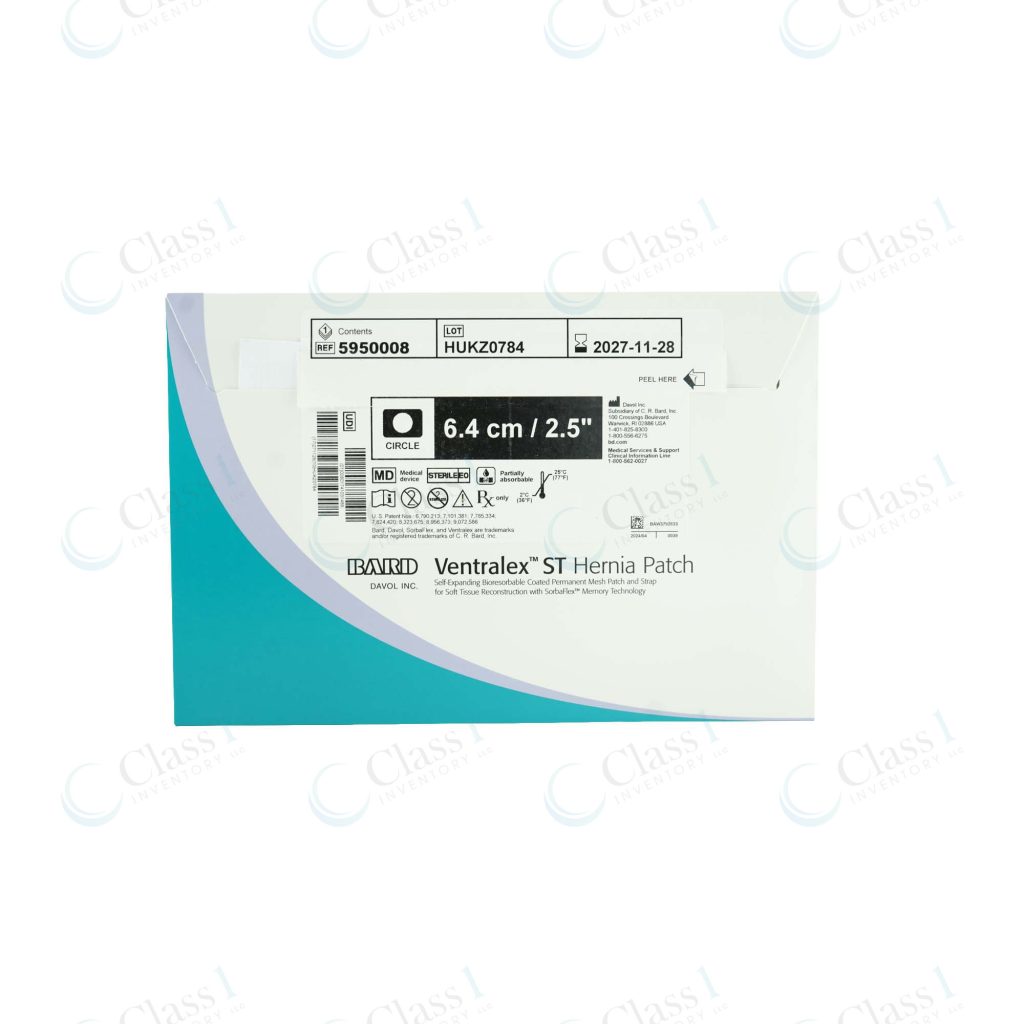
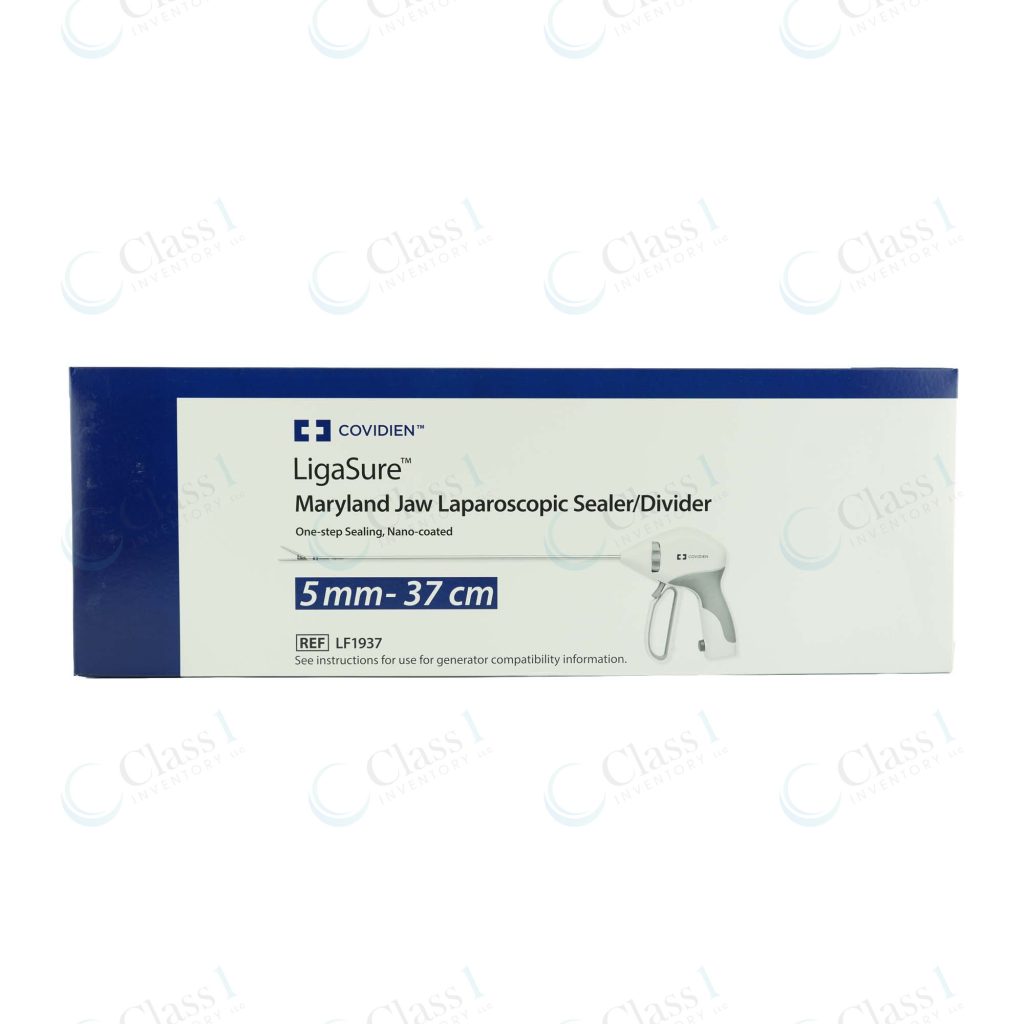
Working with an experienced third-party distributor allows facilities to access high-quality surgical disposables at competitive prices while maintaining confidence in product performance. A knowledgeable distribution partner can also help identify equivalent products, improve purchasing efficiency, and reduce unnecessary spending across multiple departments.
Beyond competitive pricing, consolidating purchasing through a trusted supplier can simplify ordering, reduce administrative workload, and improve inventory visibility – saving both time and money.
3. Invest in Preventive Equipment Maintenance
Replacing surgical equipment is expensive. Extending the life of existing equipment through preventive maintenance is often a far more cost-effective strategy.
Studies have shown that facilities benefit from scheduled servicing, proper equipment handling, and ongoing staff education, all of which help reduce damage and minimize costly repairs. Facilities that proactively maintain their equipment experience fewer unexpected failures, lower repair expenses, and less downtime that can disrupt surgical schedules.
Preventive maintenance isn’t simply about protecting equipment – it’s about protecting operational efficiency.
4. Evaluate Cost Savings Beyond the Purchase Price
Choosing the lowest-priced product doesn’t always produce the lowest overall cost.
Healthcare leaders increasingly evaluate the total cost of ownership, considering factors such as product reliability, vendor support, delivery consistency, replacement frequency, and clinical performance.
Similarly, many facilities now utilize qualified third-party service providers for equipment repairs and maintenance when appropriate. These providers often offer faster turnaround times, multi-brand servicing, and competitive pricing while maintaining high repair standards. For specialized or newer equipment, however, OEM servicing may still be the preferred option depending on the clinical application.
The goal is to maximize long-term value – not simply minimize today’s invoice.
5. Build Long-Term Purchasing Strategies
Cost savings are rarely achieved through one-time budget cuts. They come from consistent planning and strong vendor partnerships.
Successful surgical facilities routinely evaluate purchasing trends, monitor inventory usage, eliminate unnecessary stock, and work with suppliers who understand their operational goals. Flexible purchasing agreements, proactive inventory management, and regular product reviews help organizations avoid unexpected expenses while improving financial predictability.
When facilities combine strategic planning with reliable supply partners, they create sustainable cost savings year after year.
Quality and Cost Can Work Together
Reducing healthcare costs should never come at the expense of patient outcomes.
The most successful surgical facilities recognize that smart purchasing decisions, standardized processes, preventive maintenance, and trusted supplier relationships create opportunities to reduce expenses while maintaining exceptional clinical care.
At Class 1 Inventory, we believe cost-conscious purchasing should never require compromising on quality. By providing dependable surgical disposables, responsive customer service, and tailored inventory solutions, we help hospitals, surgery centers, and healthcare providers maximize value while staying focused on what matters most – delivering outstanding patient care.
Sources: